
Complete Guide to Restaurant Marketing in 2026
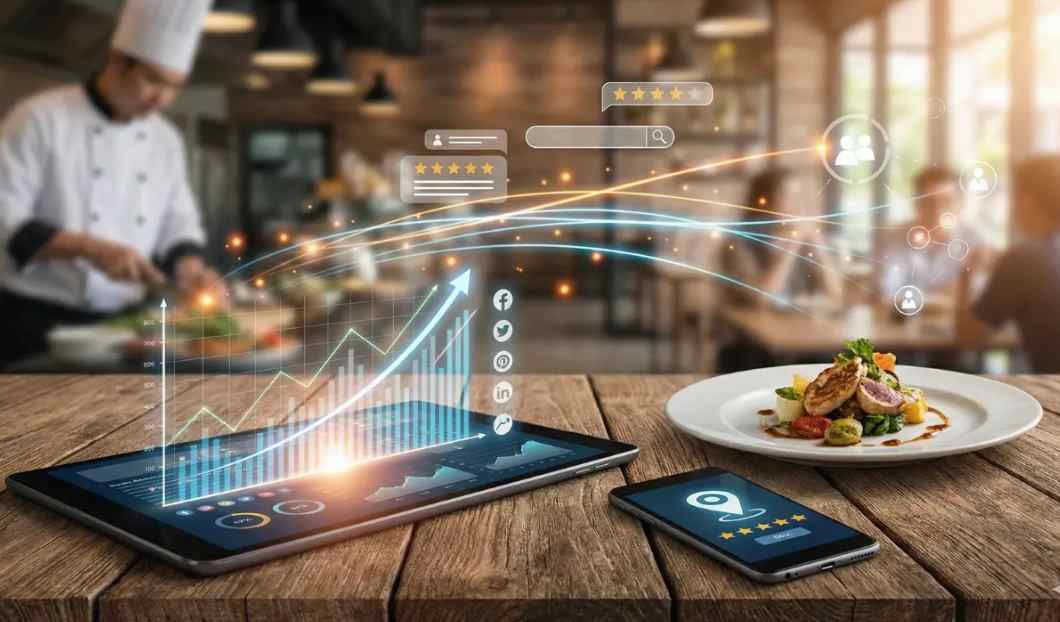
The restaurant industry is more competitive than ever. Customers no longer choose a restaurant only because of food quality. Today, diners expect a complete digital experience that starts online and continues inside the restaurant. From social media presence to online ordering and customer engagement, modern restaurant marketing has become essential for growth and long-term success.
A successful restaurant marketing strategy helps businesses attract new customers, increase repeat visits, improve brand visibility, and generate more revenue. Modern consumers search online before visiting a restaurant, check reviews, browse menus, and often place orders directly through apps or websites.
Why Restaurant Marketing Matters
Restaurant marketing is important because customer behavior has changed significantly over the past few years. Most customers now discover restaurants through search engines, social media platforms, food delivery apps, and online reviews. Without a strong digital presence, restaurants can easily lose potential customers to competitors.
Marketing also helps restaurants:
- Increase online visibility
- Build customer trust
- Improve customer loyalty
- Drive more online orders
- Boost dine-in traffic
- Generate long-term revenue growth
Modern restaurant businesses that invest in marketing usually achieve better customer engagement and stronger brand recognition.
Understanding Your Target Audience
Customer Behavior Analysis
Understanding customer behavior is one of the most important parts of restaurant marketing. Businesses need to know:
- What customers like to eat
- When they usually order food
- Which platforms they use most
- What type of promotions attract them
Data-driven audience targeting helps restaurants create personalized campaigns that improve conversion rates and customer satisfaction.
Location-Based Marketing
Location-based marketing allows restaurants to target nearby customers through ads, promotions, and local SEO strategies. This approach is especially useful for restaurants with multiple branches because it increases visibility within specific areas.
The Role of Social Media in Restaurant Marketing
Visual Content Marketing
Social media platforms such as Instagram, Facebook, and TikTok play a major role in influencing food choices. High-quality food photography, short videos, behind-the-scenes clips, and customer experiences can significantly improve engagement.
Visual storytelling creates emotional connections with customers and encourages people to visit restaurants or place online orders.
Influencer Collaborations
Food bloggers and local influencers help restaurants reach larger audiences. Authentic reviews and promotional content often increase brand awareness and customer trust.
Influencer marketing is particularly effective for:
- New restaurant launches
- Seasonal promotions
- Menu introductions
- Special events
Importance of Online Ordering Systems
Online ordering has become a necessity for modern restaurants. Customers expect a smooth and fast ordering experience on both desktop and mobile devices.
Features of a Good Ordering System
An effective online ordering system should include:
- Mobile-friendly design
- Easy menu navigation
- Secure payment methods
- Fast checkout process
- Real-time order tracking
Restaurants that optimize their digital ordering systems often improve customer retention and increase sales.
Customer Loyalty and Retention Strategies
Acquiring new customers is important, but retaining existing customers is even more valuable. Loyal customers are more likely to make repeat purchases and recommend restaurants to others.
Effective Loyalty Programs
Popular loyalty strategies include:
- Reward points systems
- Discount coupons
- Birthday offers
- Exclusive member deals
- Personalized promotions
These methods help restaurants build stronger relationships with customers and improve long-term profitability.
Data Analytics and Performance Tracking
Modern restaurant marketing heavily relies on analytics and performance tracking tools. Restaurants use data to measure:
- Website traffic
- Conversion rates
- Customer engagement
- Advertising ROI
- Online order performance
Analytics help businesses identify successful strategies and improve weak areas through continuous optimization.
Building a Strong Restaurant Brand
Brand Identity
A strong brand helps restaurants stand out in competitive markets. Branding includes:
- Logo design
- Restaurant theme
- Menu presentation
- Customer service quality
- Social media tone
Consistency across all platforms improves recognition and builds customer trust.
Customer Experience
Customer experience is directly connected to brand reputation. Positive experiences encourage reviews, recommendations, and repeat visits.
Restaurants that focus on customer satisfaction often achieve better long-term growth.
Sustainability and Modern Consumer Expectations
Many customers now prefer restaurants that support sustainable and ethical practices. Eco-friendly packaging, local sourcing, and waste reduction strategies positively influence brand image.
Restaurants that communicate sustainability efforts effectively can strengthen customer loyalty and attract environmentally conscious consumers.
Future Trends in Restaurant Marketing
Technology continues to reshape the restaurant industry. Artificial intelligence, automation tools, personalized advertising, and advanced customer analytics are becoming increasingly important.
Future restaurant marketing trends may include:
- AI-powered customer targeting
- Automated marketing campaigns
- Personalized recommendations
- Voice search optimization
- Advanced customer behavior tracking
Restaurants that adapt to these trends early are more likely to remain competitive.
Professional Restaurant Marketing Services
Many restaurants now work with professional marketing agencies to improve digital performance and customer acquisition. Agencies such as ARSNL Media provide restaurant-focused marketing solutions including paid advertising, social media management, SEO, branding, and audience targeting.
Professional marketing support helps restaurants create effective campaigns that drive measurable business growth.
Conclusion
Restaurant marketing is no longer optional in today’s digital environment. Businesses that invest in online visibility, customer engagement, branding, and data-driven strategies gain a strong competitive advantage.
From social media marketing and loyalty programs to analytics and online ordering systems, modern marketing techniques help restaurants attract customers, increase revenue, and build long-term success. Effective restaurant marketing strategies allow businesses to stay relevant, grow consistently, and adapt to changing consumer behavior in an increasingly digital world.