
How Hotels Can Increase Direct Bookings Without Relying Entirely on OTAs
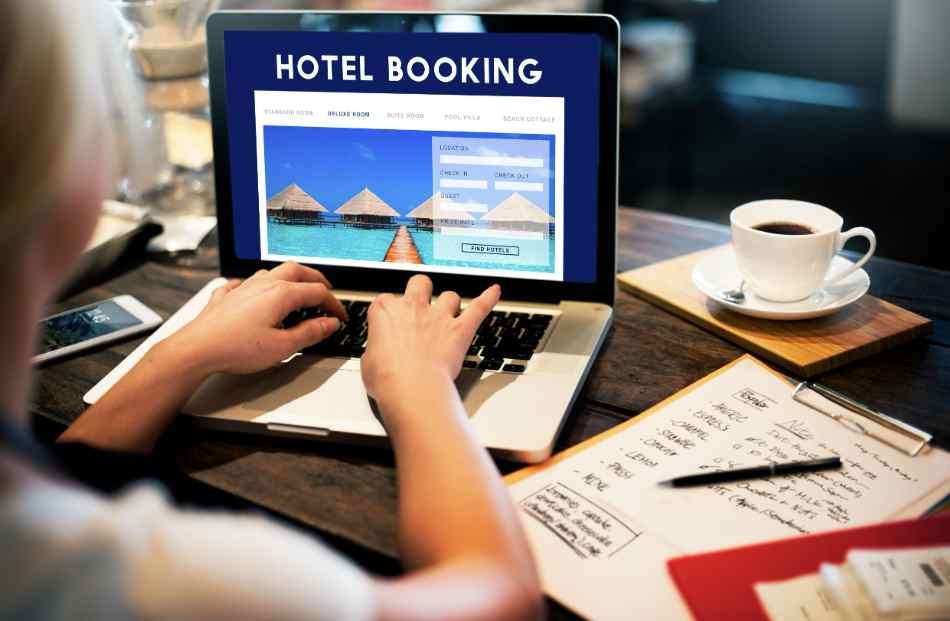
Online travel agencies can put a hotel in front of a huge audience, but depending too heavily on them can create a difficult long-term position. Hotels may gain reservations while losing control over the guest relationship, paying commissions, and competing for attention on a platform where many properties appear side by side.
One useful example of a hotel-focused approach is ARSNL Media, where direct revenue, booking-engine performance, search, paid media, content, and measurement are considered together. The broader lesson is that increasing direct bookings is not simply a matter of running more advertisements. The entire path from discovery to reservation needs to work well.
Understand Why Guests Choose OTAs
Before trying to increase direct bookings, understand why travelers use third-party booking sites.
Convenience is one major reason. Travelers can compare prices, locations, reviews, room types, and policies in one place.
Other reasons include:
- Familiarity with the platform
- Loyalty programs
- Easy comparison shopping
- Flexible cancellation options
- Existing account information
- Perceived trust
- Access to multiple properties
A hotel’s direct website has to provide enough useful information and confidence to compete with that convenience.
The goal is not necessarily to eliminate OTAs. They can remain valuable sources of demand. The goal is to create a healthy mix where direct bookings have a meaningful role.
Make the Hotel Website Easy to Understand
A traveler should quickly understand three things:
- What the property offers
- Why the location matters
- How to book
Avoid making visitors search through multiple pages to find basic information.
The homepage should communicate:
- Property type
- Location
- Main guest benefits
- Room options
- Important amenities
- Nearby attractions
- Current offers
- A clear booking path
Strong photography also matters. Travelers cannot physically inspect a hotel before booking, so images help reduce uncertainty.
Improve the Booking Journey
A beautiful website can still lose bookings if the reservation process is difficult.
Look for unnecessary friction.
Can visitors immediately find the booking button?
Can they select dates without confusion?
Are room types clearly explained?
Are taxes and fees understandable?
Can they see cancellation rules?
Does the booking process work properly on mobile devices?
Does the page load quickly?
Every additional obstacle creates another opportunity for the traveler to leave.
Hotels should regularly test their booking journey as if they were first-time visitors.
Give Guests a Reason to Book Direct
Price is an obvious factor, but it is not the only one.
A direct-booking benefit could include:
- Flexible cancellation
- Complimentary breakfast
- Room upgrade eligibility
- Resort credit
- Early check-in when available
- Late checkout when available
- Better room selection
- Exclusive packages
The benefit should be easy to understand and genuinely useful.
Hotels should also maintain rate consistency where required by their agreements. A direct-booking strategy does not need to depend on constantly undercutting third-party prices.
Match Marketing to the Booking Window
Travelers do not all book at the same time.
A business traveler might reserve close to the trip date. A family planning a major vacation may research months ahead.
That means advertising should consider booking windows.
A simple approach is to separate audiences into stages:
Early research
Use destination guides, videos, photography, and helpful travel information.
Active consideration
Show room options, amenities, location details, reviews, and useful comparisons.
High intent
Focus on availability, relevant offers, direct booking benefits, and easy access to the reservation page.
Previous guests
Use email and other permission-based communication to encourage future stays.
The message should change as the traveler gets closer to a decision.
Think About the Destination, Not Just the Property
People rarely book a hotel simply because they like a building.
They are usually traveling for something else.
It could be:
- A beach vacation
- A business conference
- A wedding
- A family trip
- A hiking adventure
- A cultural experience
- A romantic getaway
- A long weekend
Hotel content should connect the property with those reasons for travel.
For example, a coastal resort can create useful guides about beaches, local activities, seasonal weather, family attractions, and transportation. This content can attract travelers before they have selected a specific hotel.
That gives the property a chance to become part of the decision earlier.
Use Search to Capture Existing Demand
Search marketing can be particularly useful because travelers often express intent through their queries.
Examples include searches for:
- Hotels near a specific attraction
- Resorts in a destination
- Family hotels in a city
- Beach resorts with certain amenities
- Hotels near an airport
- Boutique hotels in a neighborhood
The landing page should match the search intent.
Someone searching for a family resort should not land on a generic page that forces them to hunt for family-related information.
Relevance makes the journey shorter.
Pay Attention to Seasonality
Hotels operate differently from many other businesses because demand changes throughout the year.
A campaign that performs well during peak season may not work during a slower period.
Build the marketing calendar around:
- Occupancy patterns
- Weather
- Holidays
- School breaks
- Local events
- Source markets
- Typical booking windows
During low-demand periods, marketing may need to focus on different audiences or packages rather than simply increasing the same advertising budget.
Measure More Than Reservations
A hotel can generate more bookings and still have a weaker business result.
For example, one booking may produce much more value than another because of differences in room rate, length of stay, booking channel, or additional spending.
Useful measures include:
- Direct bookings
- Direct revenue
- Occupancy
- Average daily rate
- Revenue per available room
- Booking pace
- Cost of acquiring a direct booking
- Length of stay
- Cancellation rate
Looking at these numbers together provides a clearer picture of performance.
Connect Marketing With the Booking System
Marketing data becomes more useful when it can be connected to actual reservations.
A hotel should know, as accurately as possible:
- Which campaigns generate bookings
- Which markets produce guests
- Which devices convert
- How far ahead guests book
- Which offers perform
- Which channels produce higher-value stays
This information can then influence future budgets and content.
Without that connection, marketing teams may optimize for clicks while hotel operators care about occupied rooms and revenue.
Keep the Direct Relationship After the Stay
The relationship should not end when a guest checks out.
With proper permission, hotels can use email and loyalty programs to stay connected.
Useful post-stay communication might include:
- A thank-you message
- A request for feedback
- Local travel ideas
- Loyalty information
- Future-stay offers
- Seasonal updates
A previous guest already knows the property. That familiarity can make future direct bookings easier to earn.
Final Takeaway
Increasing direct hotel bookings is not about abandoning OTAs. It is about building a stronger direct channel that travelers have a reason to use.
Start with a clear website, a simple booking process, useful destination content, relevant search visibility, thoughtful offers, and measurement that connects marketing activity to room revenue.
Most importantly, treat the guest journey as one connected process. A traveler may discover a destination through content, compare properties through search, revisit a hotel through advertising, check reviews, and finally book after several interactions.
Hotels that understand that journey can make better decisions about where to spend money, what content to create, and how to turn more demand into profitable direct reservations.